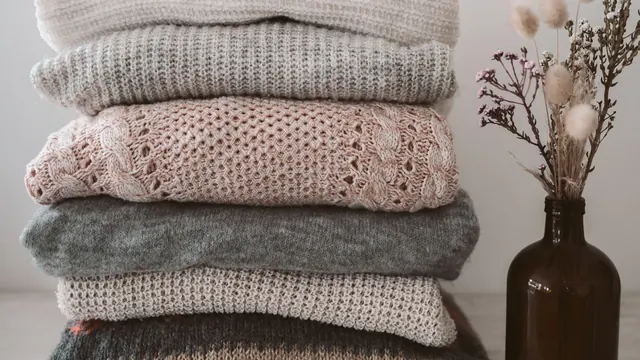
A bobbled jumper and a damaged jumper do not necessarily need the same response. First look closely at the fabric and the care label. These guides explain pilling and a maker’s approach to removing it, without promising that every worn surface can be restored.
Understand where the bobbles come from
Woolmark describes pilling as small fibre balls forming on the surface, often where the garment rubs during wear. Its factsheet points to areas such as sleeves and sides, rather than presenting pilling as proof of a single manufacturing fault. Inspect those high-contact areas and distinguish surface bobbles from open holes. That first check helps you decide whether you need gentle surface care or a repair assessment before using a tool on the knit.
woolmark.com · Woolmark · Understanding pilling
Follow the maker’s de-pilling method
Johnstons of Elgin recommends gentle use of a cashmere comb for pilling on its pieces, alongside separate washing and storage advice. That is a maker-specific method, not permission to scrape every fine knit with any available blade. Check the instructions supplied with both the garment and tool, and seek the brand’s advice if the fabric looks damaged. The linked guide also distinguishes knitted and woven cashmere, which is worth noting before borrowing its care steps.
johnstonsofelgin.com · Johnstons of Elgin · Cashmere care and pilling